Industrial Temperature Control for Food & Beverage: AODE Drives Energy-Efficient Processing Solutions
View More

 Home News Industry News Why System-Level Water Temperature Control Solutions Are Replacing Standalone Units
In modern industrial environments, temperature control is no longer a supporting function—it is a critical factor that directly affects product quality, energy efficiency, and process stability. As manufacturing systems become more complex and interconnected, traditional standalone temperature control units are increasingly unable to meet evolving demands. This shift is driving the adoption of system-level water temperature control solutions across industries such as plastics, chemicals, pharmaceuticals, electronics, and energy.
This article explores why system-level solutions are replacing standalone units, what advantages they bring, and how companies like AODE are shaping this transformation through innovation and engineering expertise.
For decades, standalone temperature control units were widely used in industrial applications. These devices typically serve a single machine or process, offering localized heating or cooling through water circulation.
While effective in simple setups, standalone units present several limitations:
Each unit operates independently, which makes it difficult to maintain consistent temperature across multiple machines or production lines. In industries where uniformity is critical—such as injection molding or precision manufacturing—this can lead to product defects and inconsistent quality.
Standalone units often operate without awareness of system-wide demand. This results in redundant heating or cooling, increased energy consumption, and higher operational costs.
Managing multiple independent units increases maintenance workload. Troubleshooting becomes time-consuming, and downtime risks are higher due to the lack of centralized monitoring.
As production expands, adding more standalone units leads to system complexity rather than efficiency. The infrastructure becomes harder to manage, and integration with digital systems is limited.
These challenges have led many manufacturers to reconsider their approach and transition toward integrated, system-level solutions.
A system-level water temperature control solution integrates multiple temperature control processes into a centralized system. Instead of relying on individual units, a network of equipment—including chillers, heaters, pumps, sensors, and control software—works together to maintain optimal temperature conditions across the entire production environment.
Key features include:
· Centralized control and monitoring
· Intelligent load distribution
· Real-time data analysis
· Automated adjustments based on process requirements
· Integration with factory automation systems
This approach transforms temperature control from a collection of isolated devices into a coordinated, intelligent system.
System-level solutions ensure consistent temperature across all connected processes. By dynamically adjusting flow rates and thermal output, they eliminate fluctuations that can affect product quality.
For example, in injection molding, precise mold temperature directly impacts cycle time and product consistency. A centralized system can maintain uniform conditions across multiple molds, reducing defects and improving yield.
Energy efficiency is one of the most significant advantages of system-level solutions. Instead of each unit operating independently, the system optimizes energy use based on real-time demand.
Benefits include:
· Reduced energy consumption
· Lower operating costs
· Better utilization of heating and cooling resources
While many users still search for terms like “water temperature machine price” or “water temperature control unit price,” the real value lies in total lifecycle cost rather than initial investment. System-level solutions often deliver substantial long-term savings through energy efficiency and reduced maintenance.
Modern systems are equipped with advanced control platforms that provide real-time visibility into temperature, flow, pressure, and system performance.
Operators can:
· Monitor all equipment from a single interface
· Receive alerts and diagnostics
· Adjust parameters remotely
· Analyze historical data for optimization
This level of control is impossible with standalone units and is essential for smart manufacturing environments.
With centralized diagnostics and predictive maintenance capabilities, system-level solutions reduce the risk of unexpected failures.
Advantages include:
· Early detection of issues
· Simplified maintenance planning
· Reduced spare parts inventory
· Faster troubleshooting
Instead of managing multiple independent devices, maintenance teams can focus on a unified system, improving efficiency and reliability.
As production needs evolve, system-level solutions can be expanded or reconfigured without major disruptions. Additional equipment can be integrated into the existing system, maintaining efficiency and control.
This flexibility is particularly important for industries experiencing rapid growth or frequent product changes.
Transitioning to a system-level solution requires expertise in system design, integration, and implementation. This is where a professional temperature control units manufacturer plays a critical role.
A qualified manufacturer provides:
· Customized system design based on process requirements
· Integration of hardware and software components
· Engineering support and commissioning
· Ongoing service and optimization
Choosing the right partner ensures that the system delivers maximum performance and reliability.
AODE’s development reflects the broader industry shift toward integrated solutions.
Founded in Shenzhen in 2004, and with the establishment of SUZHOU AODE PRECISE EQUIPMENT Co., LTD. in Suzhou in 2007, AODE has focused on industrial temperature control for over two decades. Initially specializing in mold temperature machines and water chillers, the company has progressively evolved into a provider of comprehensive system-level solutions.
Through continuous innovation and practical experience, AODE has expanded its capabilities to include:
· Industrial temperature control system integration
· High-end precision temperature control equipment
· Customized water temperature control solution design
· Intelligent control systems for complex processes
This transformation enables AODE to address the limitations of standalone units and deliver solutions tailored to modern manufacturing needs.
Centralized temperature control ensures consistent mold temperatures, reducing cycle times and improving product quality.
Precise temperature regulation is critical for reaction stability and safety. System-level solutions provide accurate and reliable control.
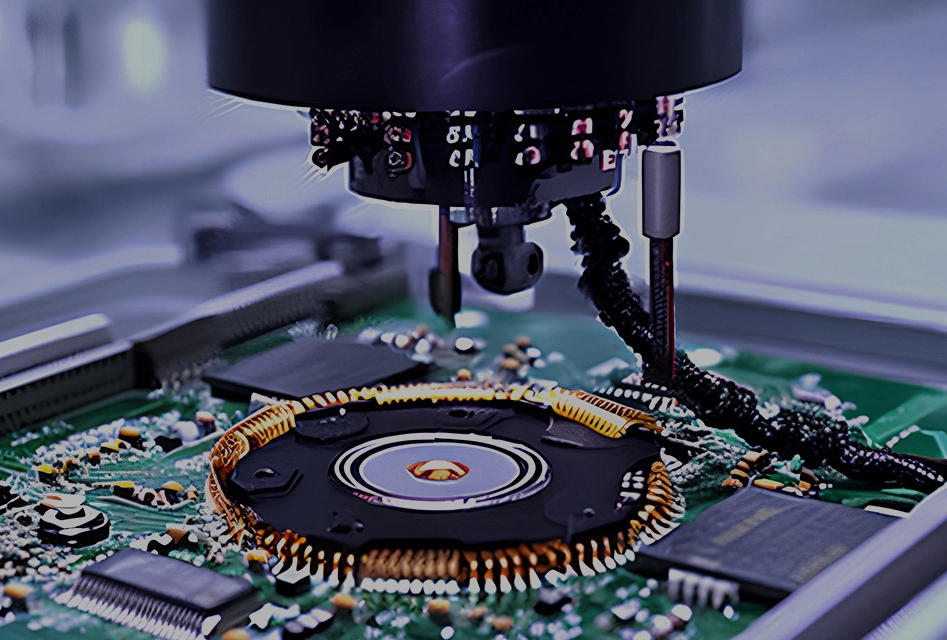
High-precision temperature control is essential for sensitive components. Integrated systems maintain strict environmental conditions.
Efficient thermal management improves system performance and reduces energy consumption.
While some users focus on “water temperature control unit price,” it is important to evaluate total cost of ownership. System-level solutions typically offer:
· Lower energy costs
· Reduced maintenance expenses
· Longer equipment lifespan
With an experienced partner, system integration can be executed smoothly, with minimal disruption to existing operations.
Modern systems are designed to integrate with a wide range of equipment, ensuring a seamless transition from standalone units.
The shift toward system-level solutions is part of a broader trend toward smart manufacturing and Industry 4.0. As factories become more digitalized, temperature control systems must integrate with data platforms, automation systems, and IoT technologies.
Future developments will likely include:
· AI-driven optimization
· Predictive energy management
· Enhanced remote monitoring
· Greater system automation
Companies that adopt integrated solutions today will be better positioned to compete in this evolving landscape.
The replacement of standalone units with system-level water temperature control solutions is not just a technological upgrade—it is a strategic move toward efficiency, reliability, and scalability.
By addressing the limitations of traditional systems and leveraging advanced control technologies, integrated solutions deliver measurable improvements in performance and cost-effectiveness.
With over twenty years of experience and continuous innovation, AODE has successfully transitioned from a traditional equipment manufacturer to a provider of high-end, system-level temperature control solutions. Through SUZHOU AODE PRECISE EQUIPMENT Co., LTD., the company continues to support industries worldwide in achieving precise, efficient, and intelligent temperature control.